Co-designing The Grief Garden in reciprocity with nature to explore how grief and the land can support one another
When my dad passed away, I found little support. I was offered online helplines, a text messaging service, a six-month waiting list, or a group session that might happen sometime in the next six months (they’d let me know). I felt isolated, estranged and odd and the only place I felt remotely at home was outside - amongst the wind, plants, trees, birds and open sky. They felt truly alive to me, and I admired them for that.
Frustrated by humans and the complex lives we’d created, the natural world provided me with a real connection to life and the living. Everything seemed pointless, contrived and constructed. It really didn’t matter what your email signature said, what colour the carpet was or whether Sally made it to the next online meeting or not. Instead I found comfort in the silence that came with caring for plants and the stillness and simplicity of meeting their basic needs.
I had experienced death before. My Grandma Barbara, my ancestral doppelgänger, had died eight years earlier. She was soft, warm and loving and the heart of our family. But the grief of losing my dad felt different. It was darker, twisted, gnarly, sharp, unforgiving and complex. It was steeped in guilt, questions and utter shock.
Being in the garden offered moments of respite. The plants didn’t judge me and I didn’t judge myself. I would retreat there whenever I could, quietly watching the miracle of a leaf unfurling or the steady determination of a seed pushing through soil. Before long I had enrolled on a horticulture course, grateful to have something to focus on and determined to spend as much time as possible learning about this living world I had previously noticed very little.
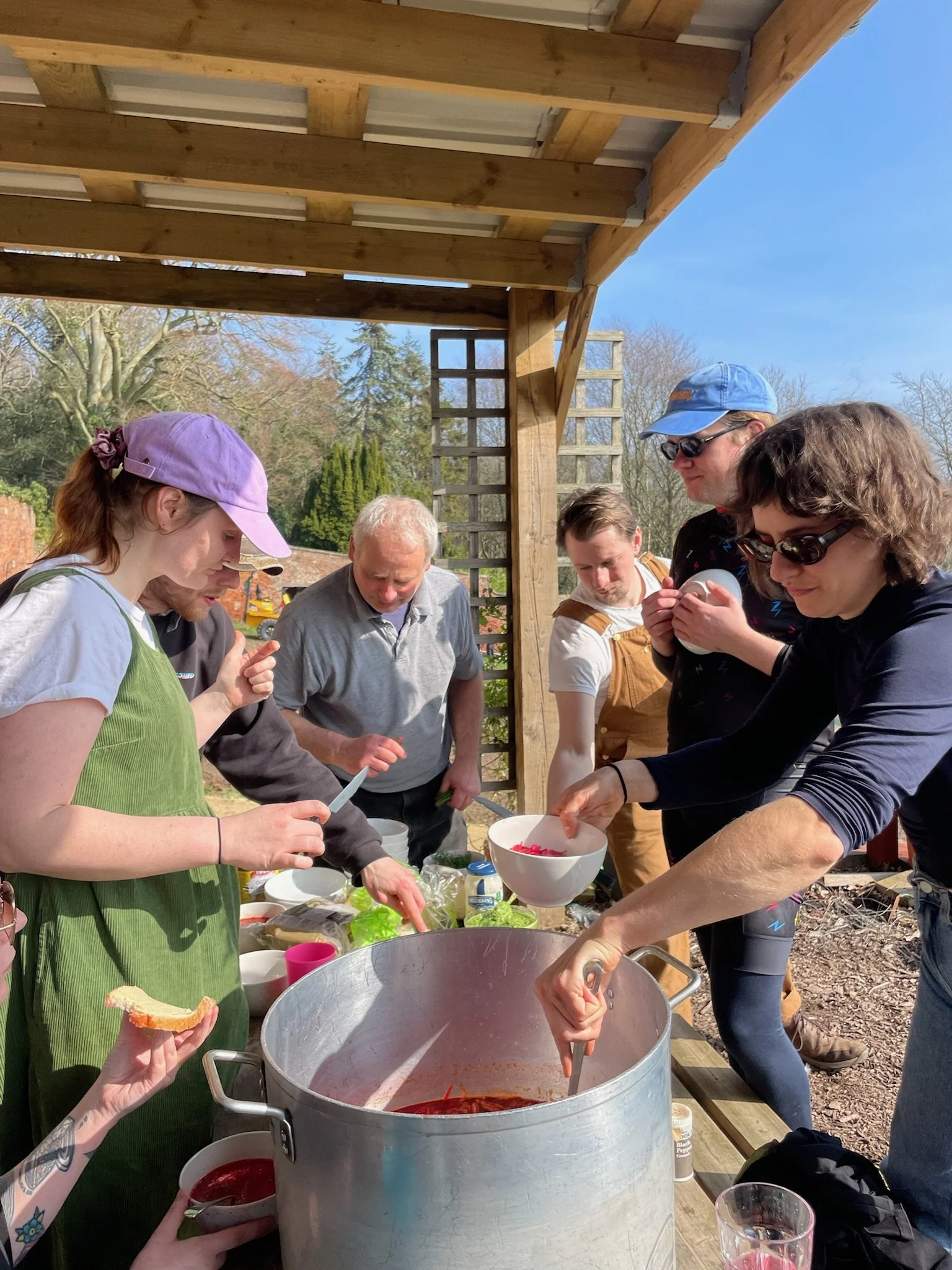
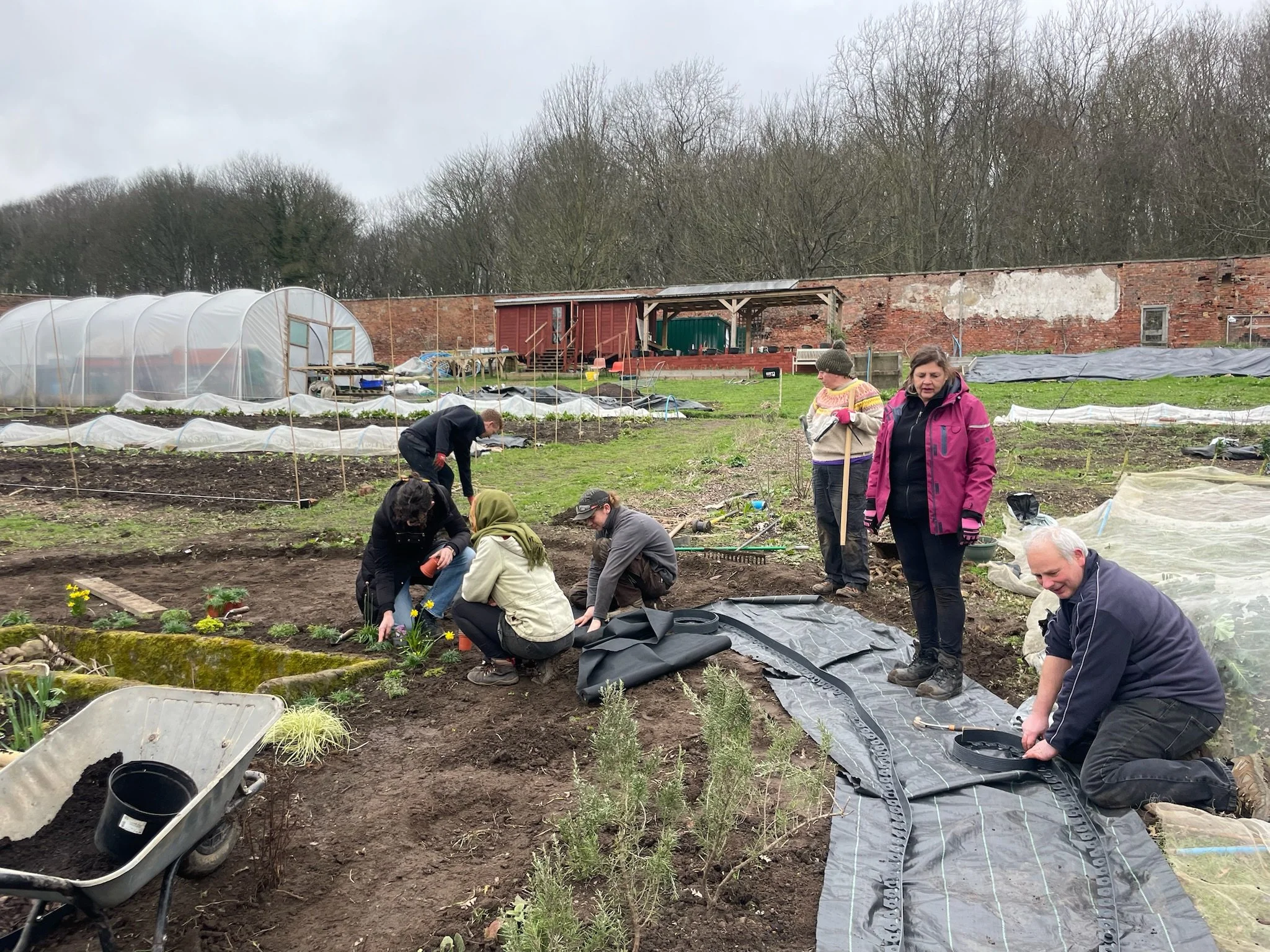
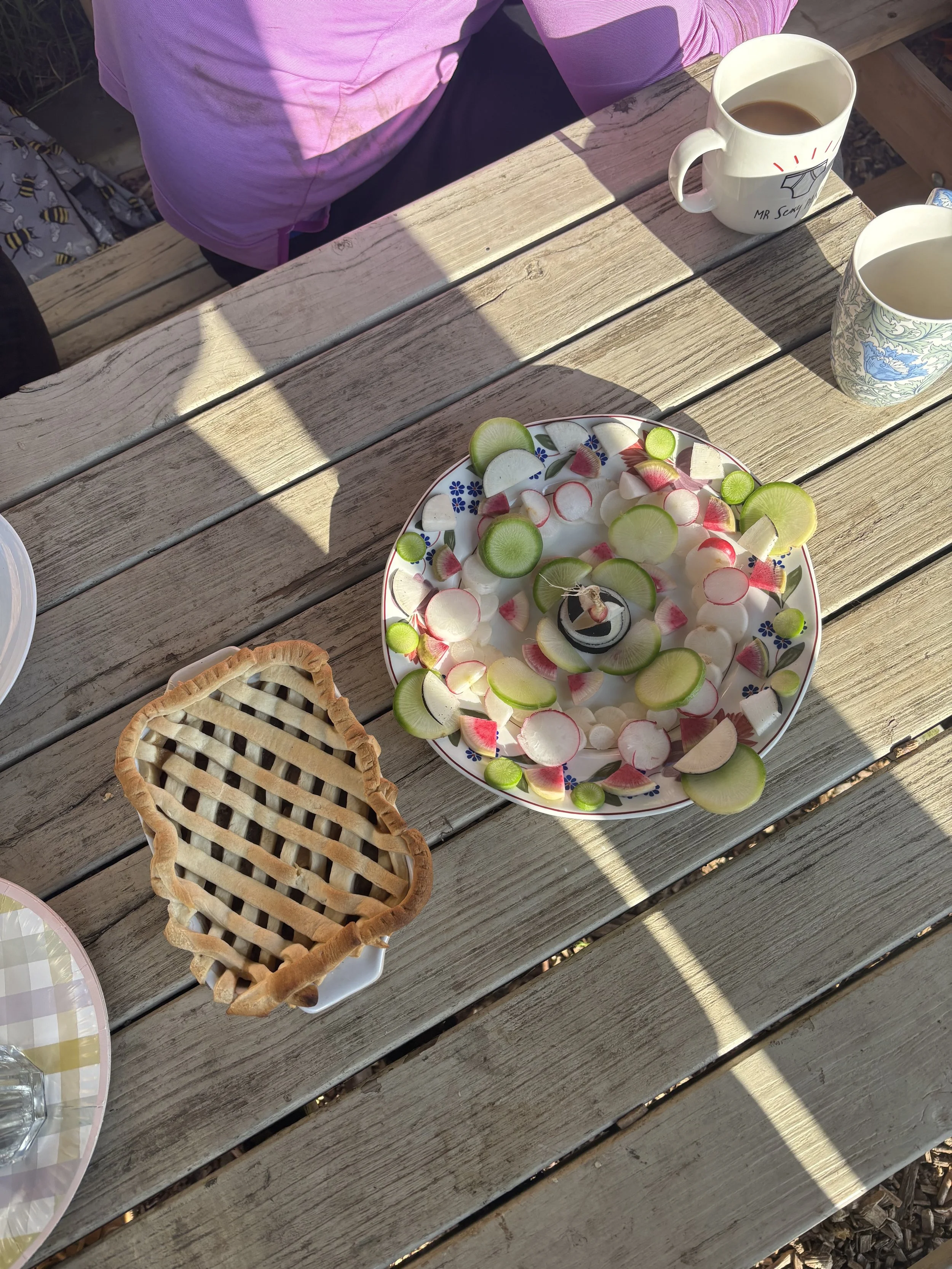
I began volunteering on a community farm, signed up to a permaculture course and met my dear friend Liza, who had also lost her father, at a local community group. Together we would drive thirty minutes to the farm each Thursday, sometimes sharing experiences and others simply being together. We dug (Liza more so than me), sowed, planted, pruned, drank a lot of tea and chatted with the other volunteers and somewhere in the middle of all this we began to feel human again. It felt like a way of inhabiting the world that made sense.
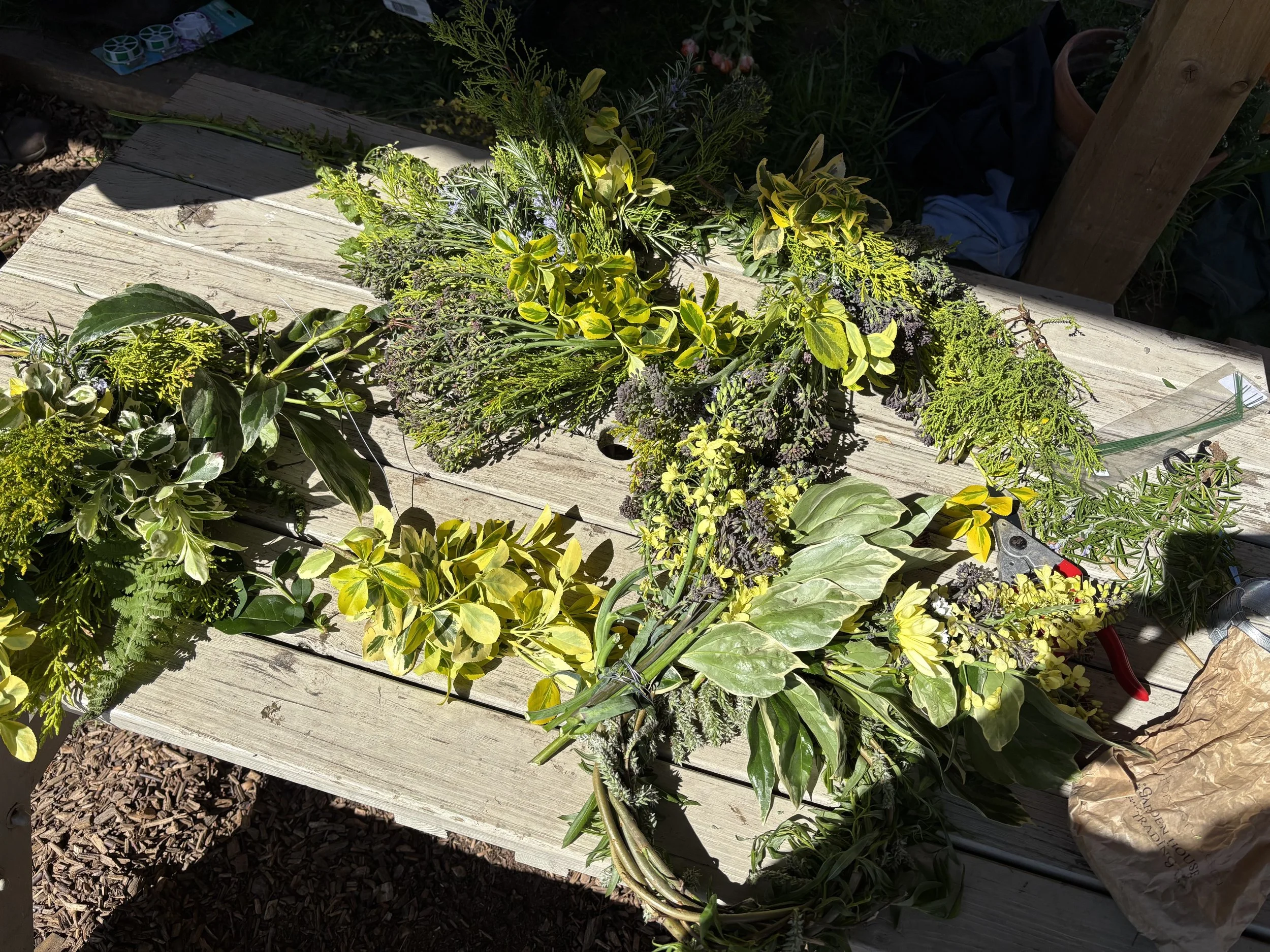
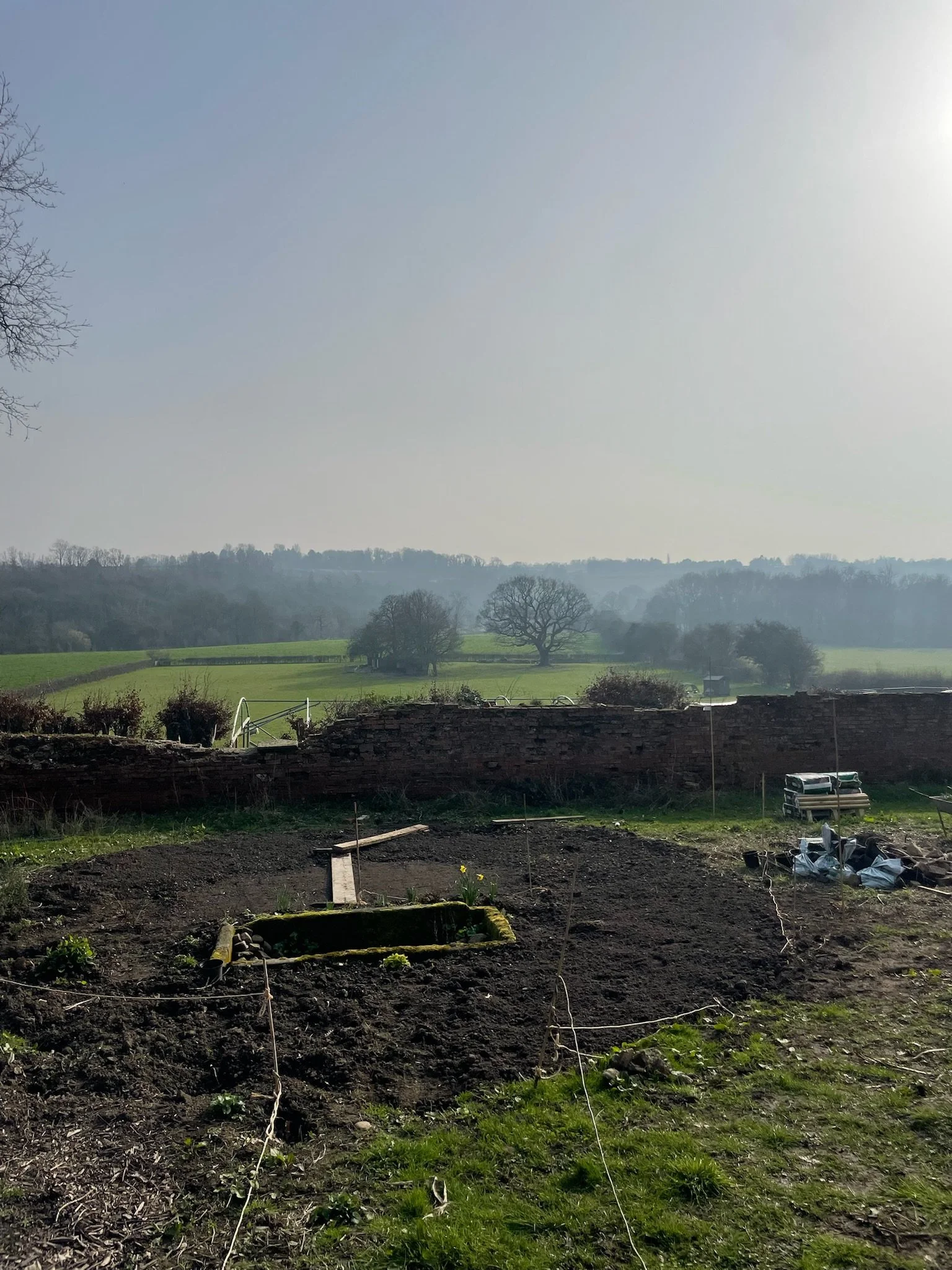
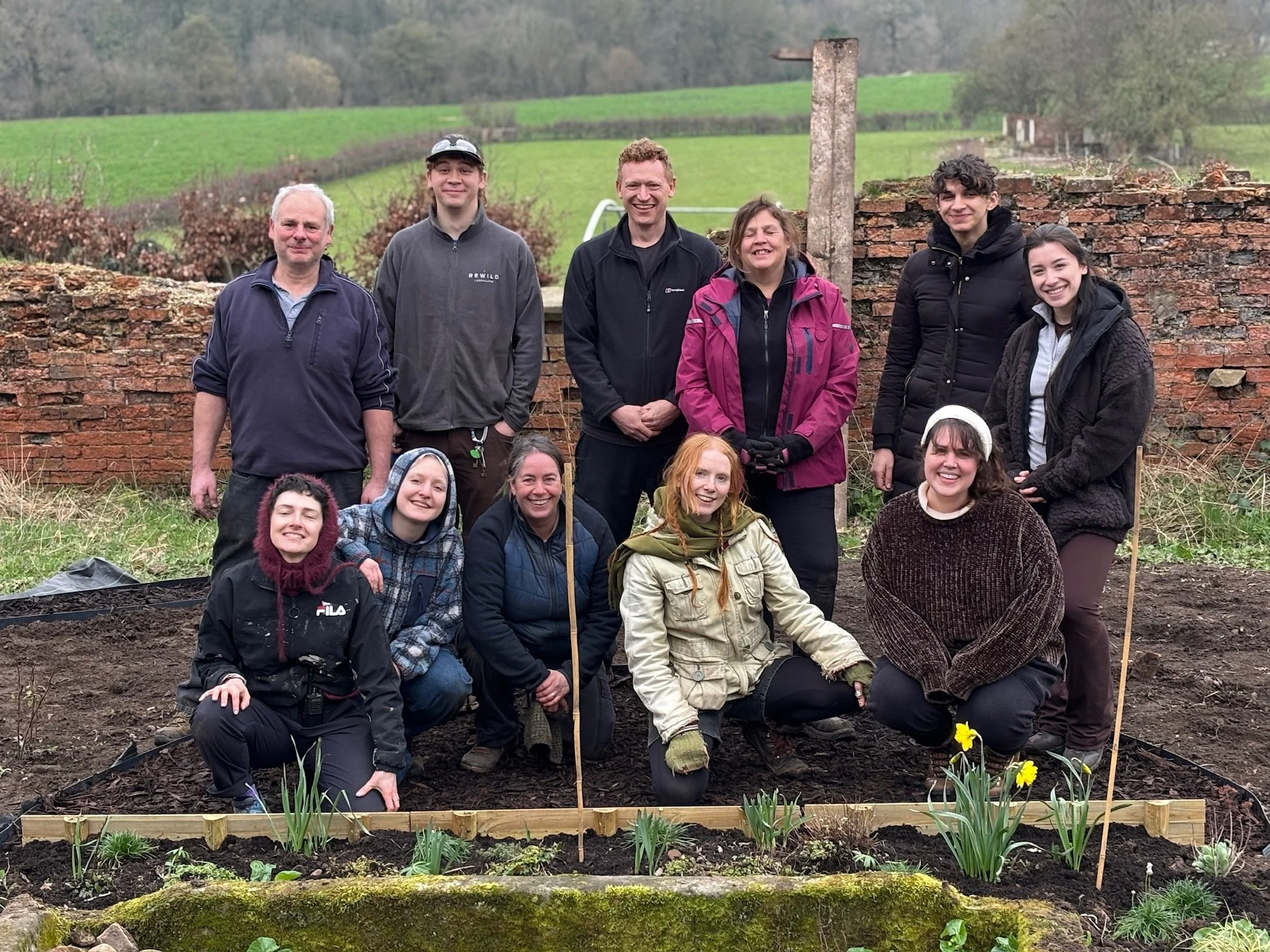
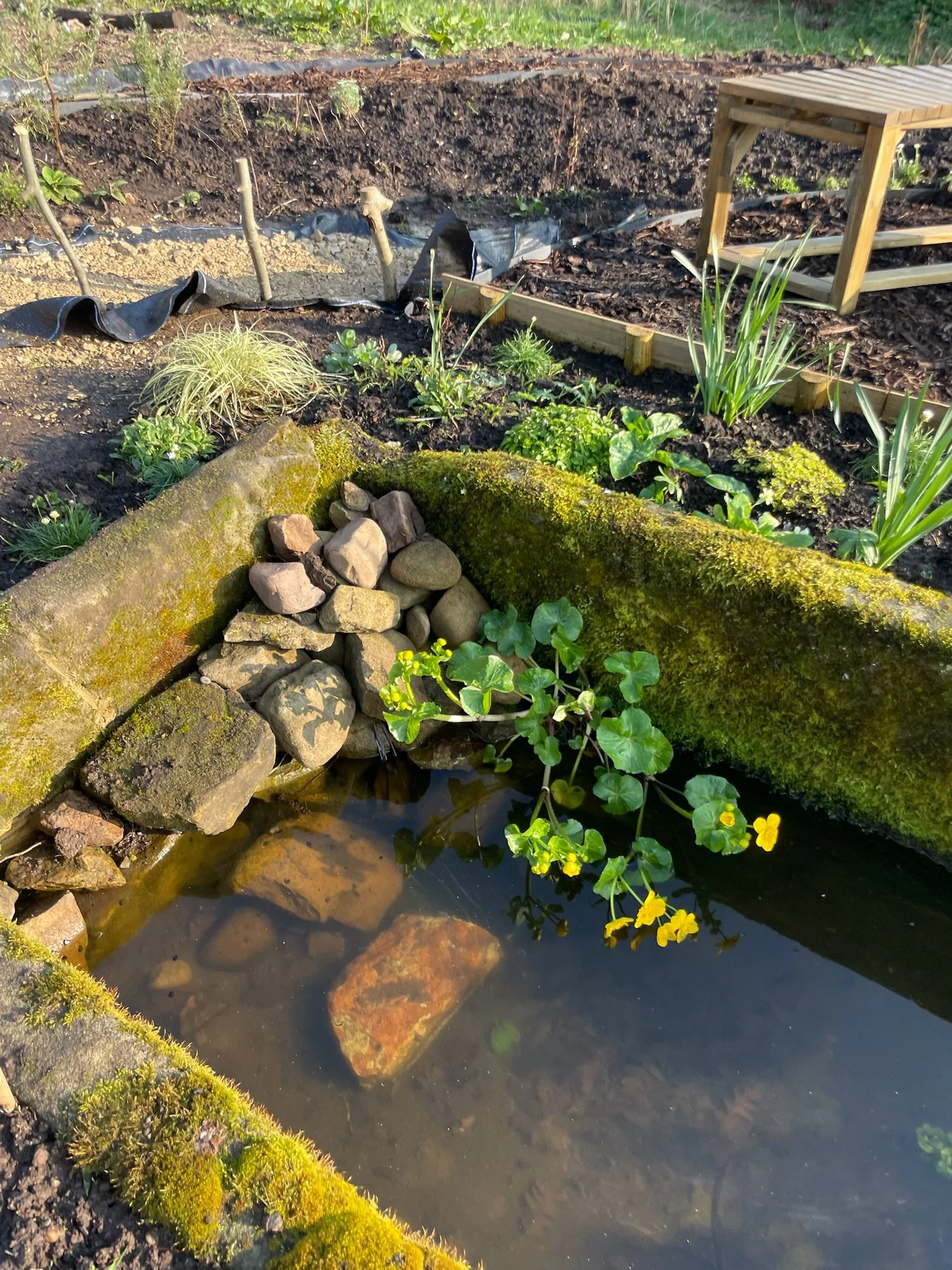
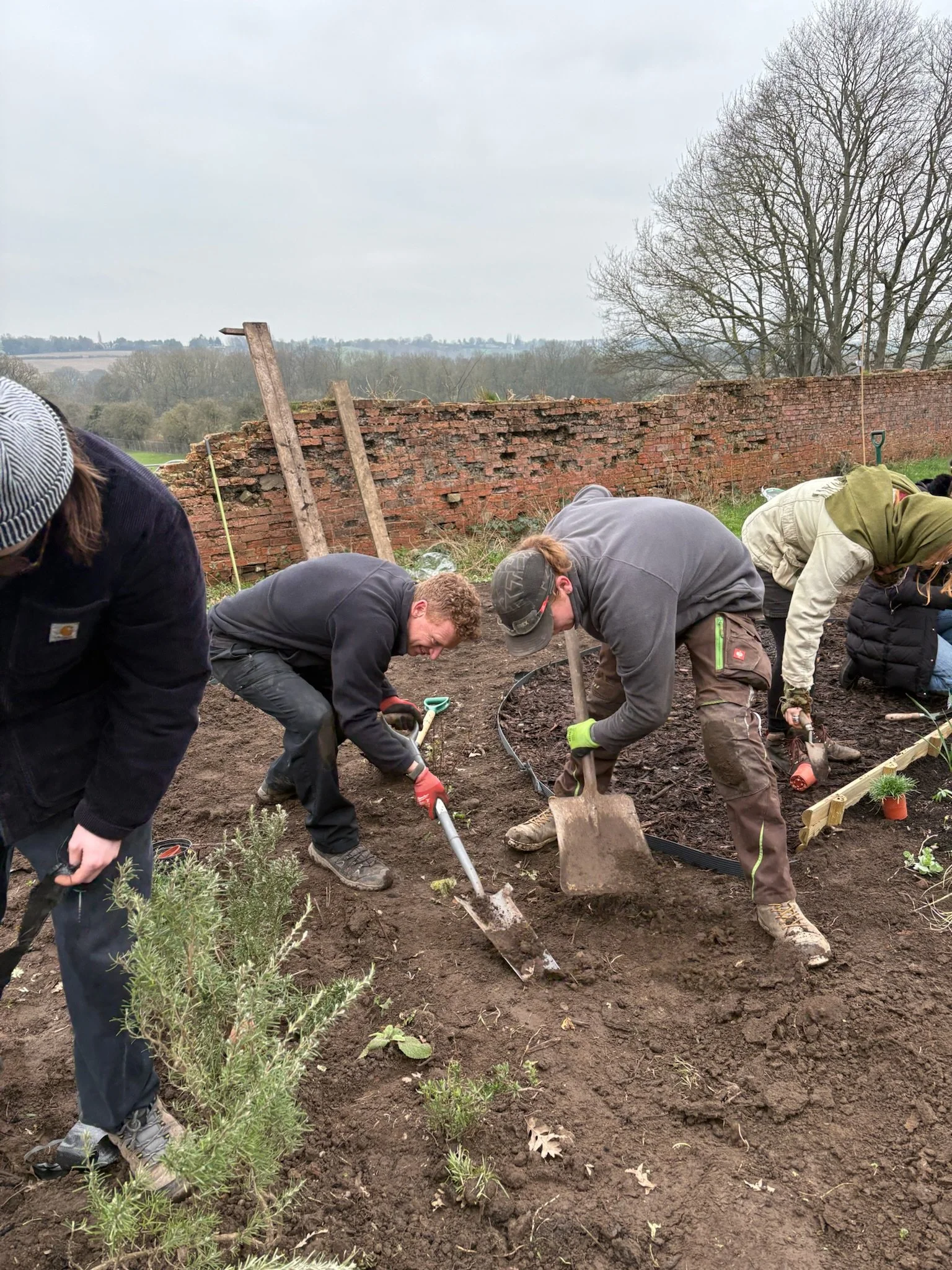
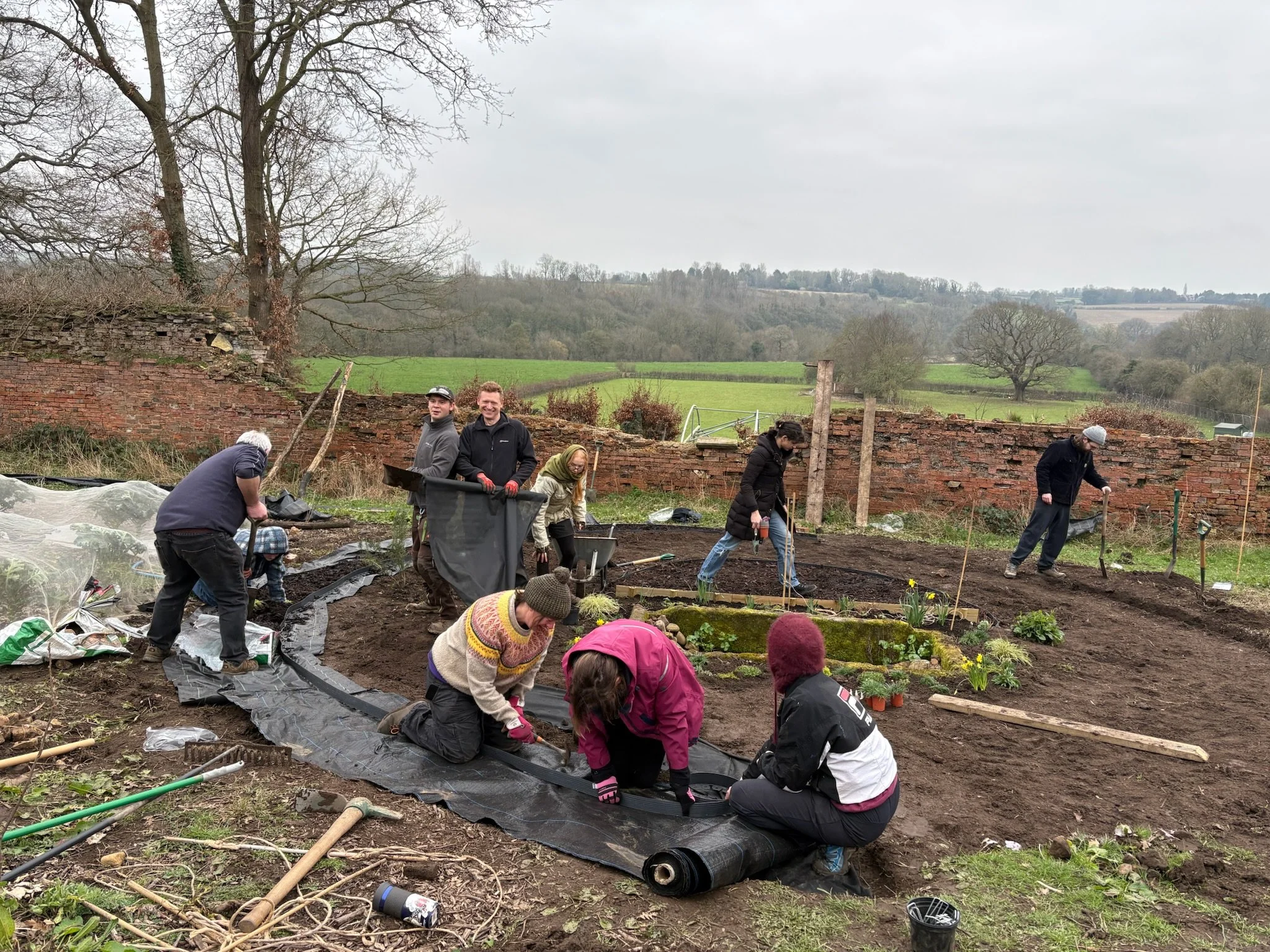
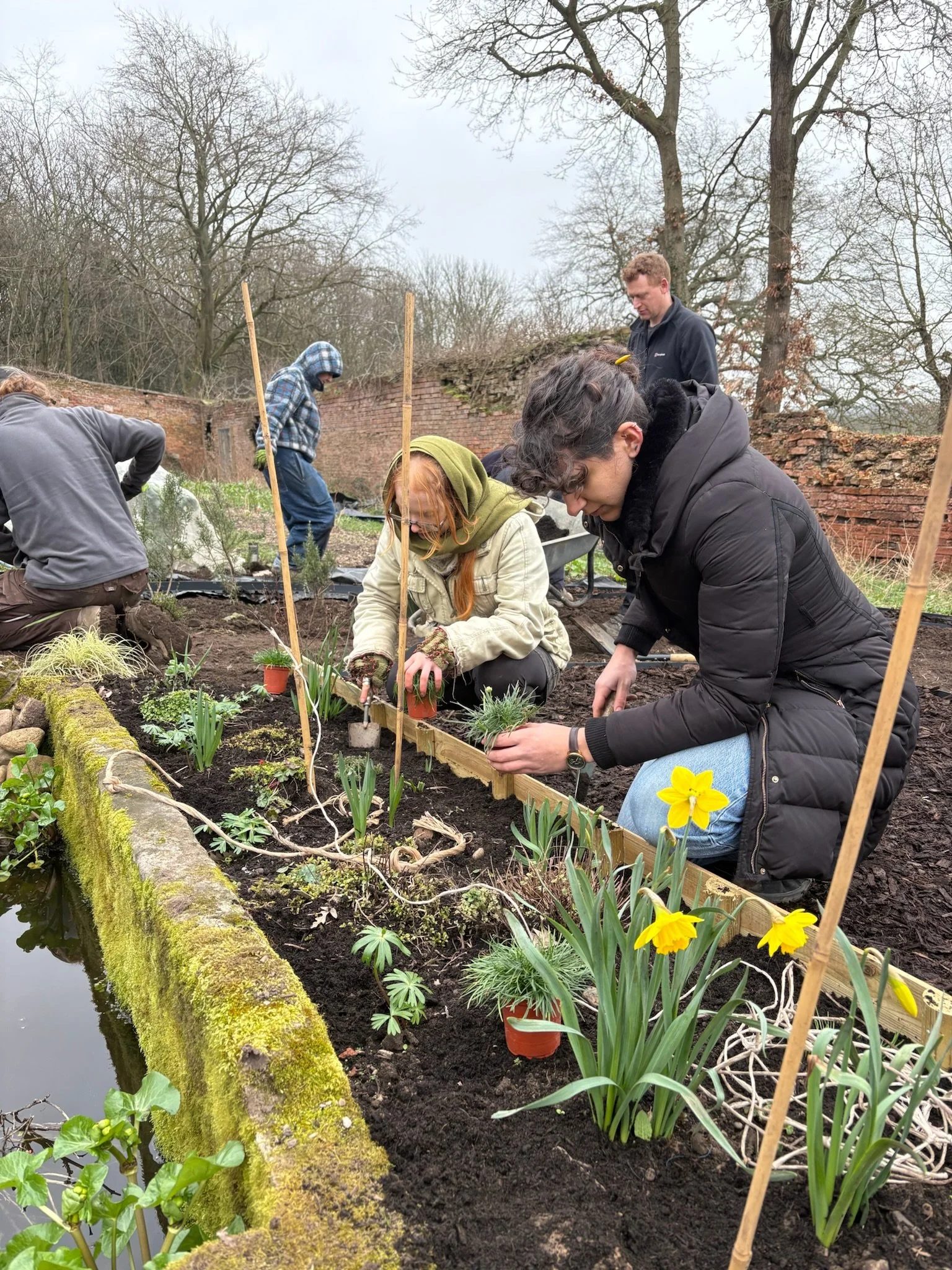
These experiences planted a question that eventually became The Grief Garden - a community-led project that invites people who are experiencing grief to come together to co-create a garden as a place of acceptance, connection and healing. Rather than offering a traditional bereavement programme, the garden centres on the shared act of growing. Together we design, plant and care for an evolving landscape while forming a peer-to-peer community of people navigating grief in their own ways.
The garden explores the reciprocal relationship between grief and the natural world. As we care for the soil, plants and ecosystems around us, we begin to notice how the garden cares for us in return. It becomes both a place and a process. A place where grief can be anchored and safe, and a process through which people can enact their grief physically, finding methods, rituals and practices that feel right to each individual.
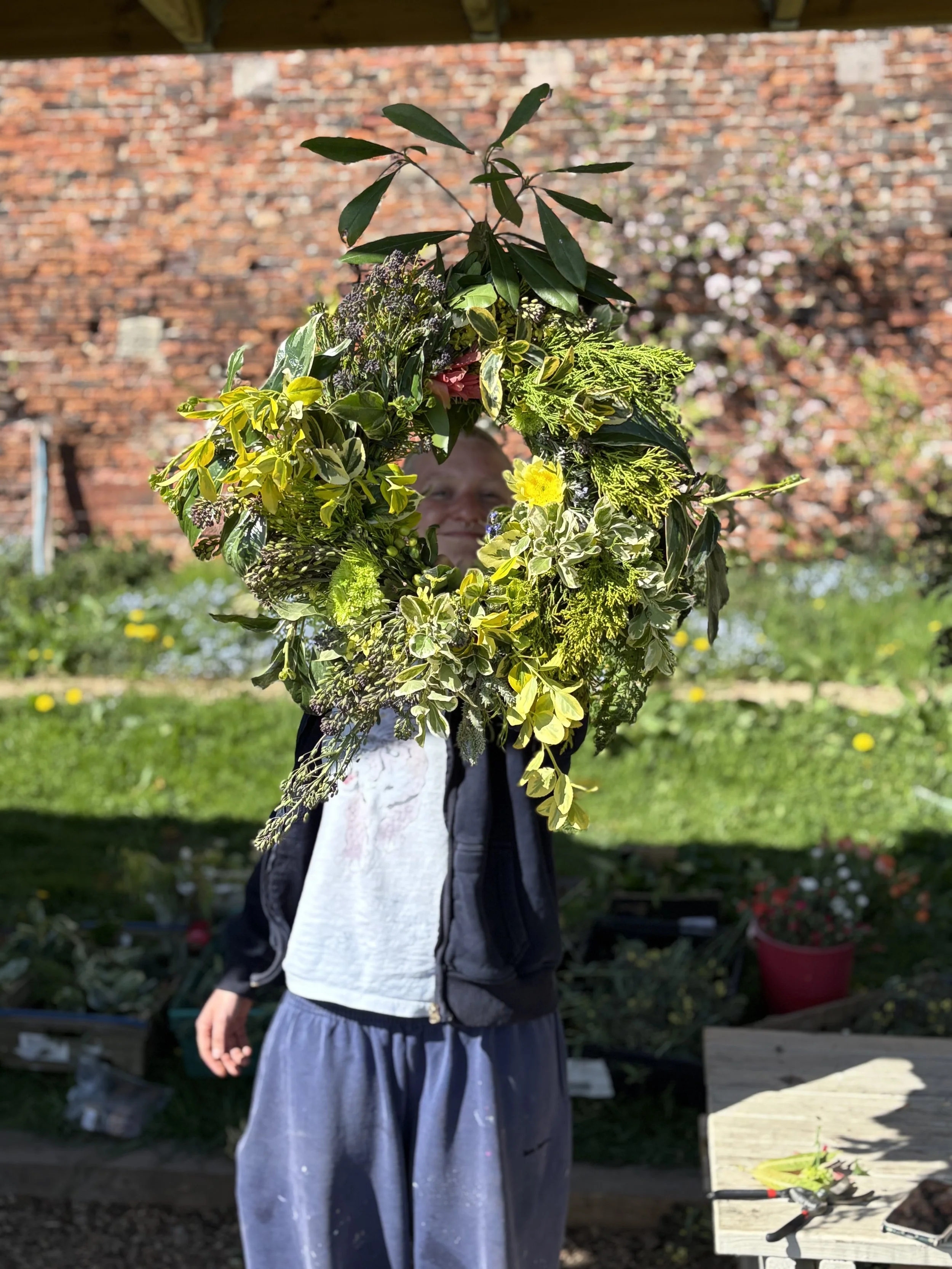
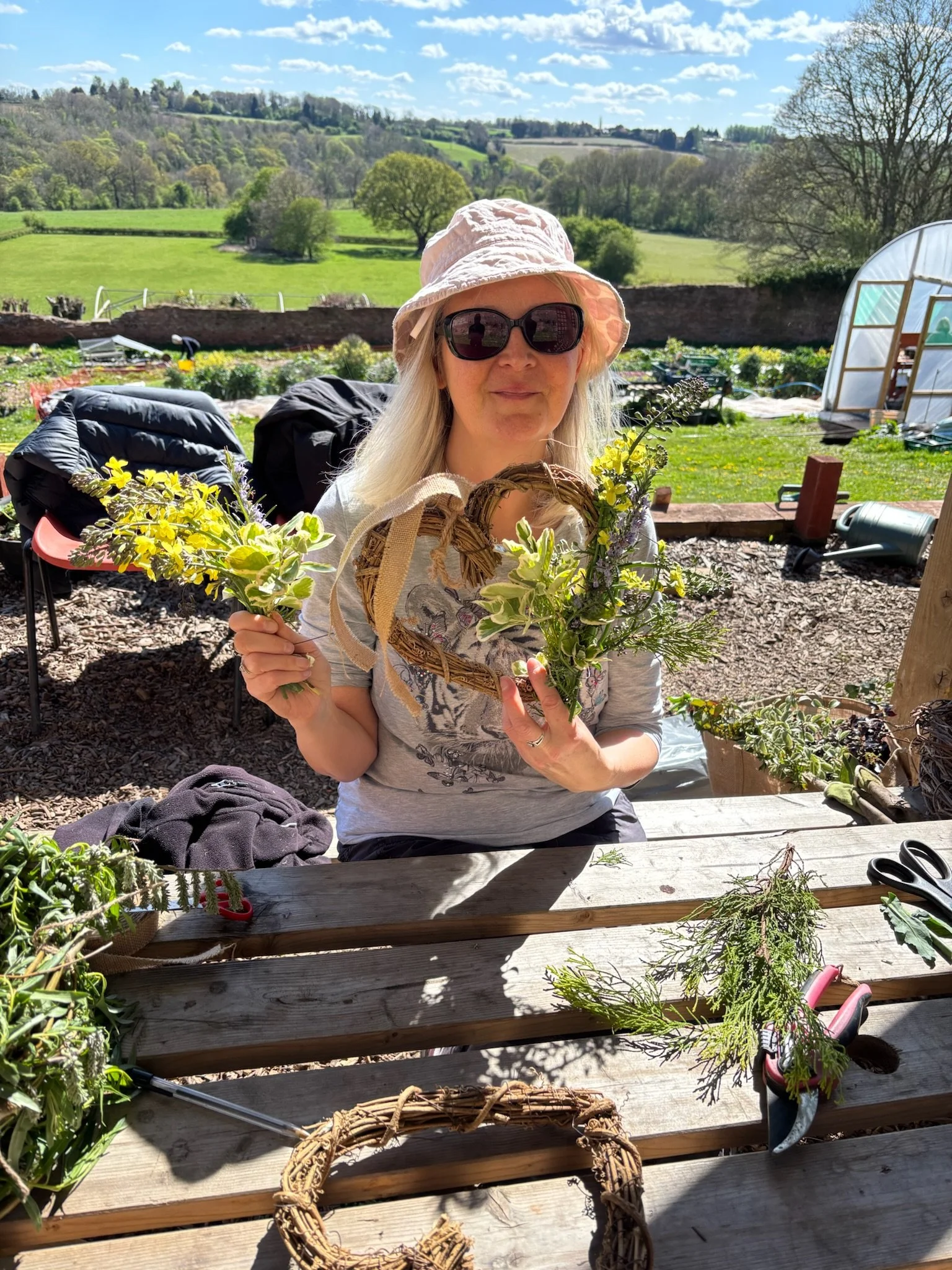
Those who are experiencing grief are invited to attend weekly gardening sessions and become part of a growing community of budding horticulturalists. Alongside this, the project hosts events and workshops that encourage more open conversations about death, dying and grief.
The Grief Garden is still very young. As the group grows, the project continues to evolve in unexpected directions. It’s still very much an experiment asking questions like how can co-design help people who are experiencing grief to shape the spaces that hold them? And how might grief deepen our relationship with nature rather than separate us from it?
If you’d like to learn more about The Grief Garden or get involved you can visit www.thegriefgardencic.co.uk or email thegriefgardencic@gmail.com